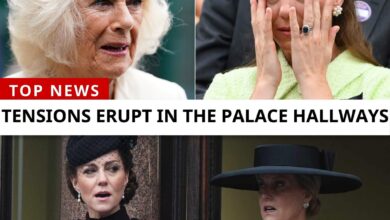
For years, the British royal family has lived under a cloud of unanswered questions, whispered rumors, and carefully managed narratives. Today, in this dramatized storyline, that fragile balance shatters. “The truth finally came out,” insiders say—and it is heartbreaking
Heartbreaking News For The Royal Family – “The Truth Finally Came Out Today”
For years, the British royal family has lived under a cloud of unanswered questions, whispered rumors, and carefully managed narratives. Today, in this dramatized storyline, that fragile balance shatters. “The truth finally came out,” insiders say—and it is heartbreaking not because it introduces a brand‑new scandal, but because it confirms what many suspected all along: the institution has been breaking the people inside it, quietly and consistently.
.jpg)
In this telling, the revelation doesn’t arrive through a tabloid scoop or a leaked document, but through a rare moment of honesty from someone on the inside—a senior royal, a long‑serving aide, or a family member who has decided they can’t keep protecting the system at the expense of their own sanity. The truth they allegedly share is devastating in its simplicity: the monarchy, as it currently functions, demands emotional sacrifice from everyone it touches, and the cost has finally become impossible to hide.
Behind closed doors, this confession lands like a bomb. The older generation is said to sit in stunned silence, confronted with the idea that what they have spent their lives defending has deeply hurt their children and grandchildren. The younger royals, already strained by the clash between tradition and modern life, are imagined as feeling both vindicated and hollow—relieved that someone has admitted the reality, but heartbroken that it took this long. The “truth” isn’t that one person behaved badly; it’s that the entire structure encourages people to bury their feelings until they break.


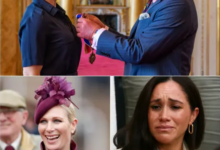
The emotional core of the narrative rests on that recognition. We’re told that the family finally openly acknowledges the toll of relentless scrutiny, rigid hierarchy, and the expectation to perform happiness on cue. Past fractures—marital breakdowns, mental‑health struggles, public feuds—are reframed not as isolated failures, but as symptoms of a system that hasn’t adapted fast enough to the world around it. The heartbreaking part is realising that many of these wounds might have been avoided if honesty had come sooner.
For your readers, the power of this headline lies in its universality. “The truth finally came out today” doesn’t need to mean a single explosive allegation; it can mean a collective admission that the crown’s shine has always cast shadows on the people beneath it. Lean into that emotional truth—the cost of duty, the strain of silence, and the moment a family finally admits that something has to change—rather than pinning it to one specific, unverified claim, and you’ll have a piece that feels big, important, and safely dramatic.